
We have all experienced the frustration of getting lost in a big building. You walk into a massive shopping center, a large hospital, or a university campus, and you don’t know which way to go. You look for a map on the wall, but it is often small, confusing, or out of date. It can make a fun trip feel stressful very quickly.
Fortunately, technology is solving this problem. If you have visited a modern building in the city lately, you have probably seen smart screens near the entrance. This technology, known as digital wayfinding in Melbourne, is changing how we navigate complex spaces. It replaces those old, static plastic boards with interactive screens that are easy for anyone to use.
What Exactly Is It?
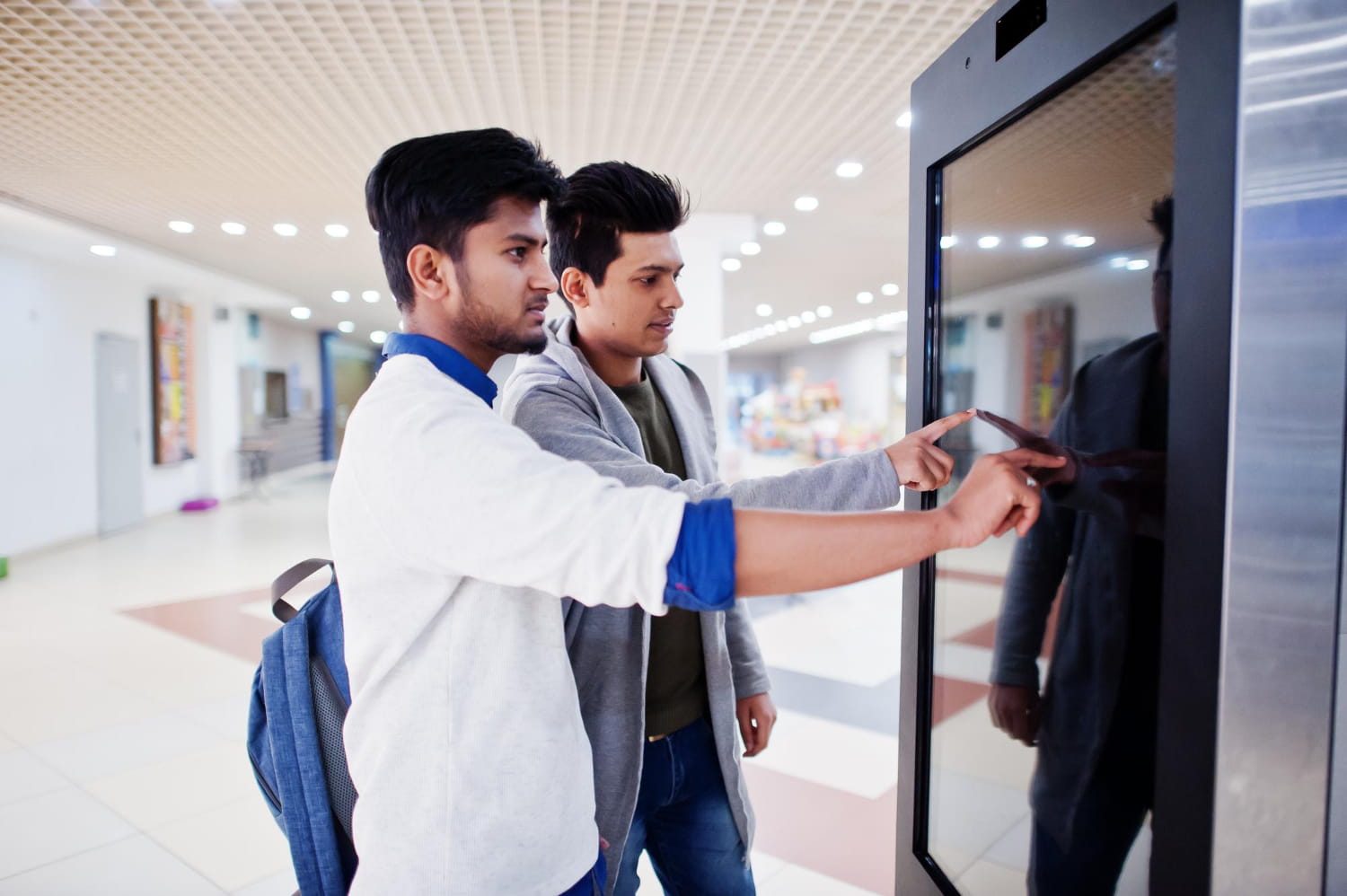
Think of digital wayfinding as a GPS for the indoors. It works a lot like the map app on your smartphone, but it is designed for the building you are standing in. You will usually see a large touchscreen kiosk or a digital sign mounted on the wall.
Using it is very simple. You walk up to the screen and type in what you are looking for. It could be a specific shoe store, a doctor’s office, or just the nearest restroom. The screen then draws a bright line from your current location straight to your destination. It shows you exactly where to turn and how long it will take to walk there.
Why Is It Better Than Old Signs?
Traditional paper or plastic maps have a big problem: they are hard to change. Once a map is printed and stuck to a wall, it stays there for years.
- Always Accurate: In a busy city, shops and offices move or close all the time. With digital screens, the building manager can update the map in seconds using a computer. You never have to worry about following a map to a store that doesn’t exist anymore.
- Helpful for Everyone: This is one of the best features of the system. If you are pushing a stroller or using a wheelchair, stairs can be a big problem. Digital kiosks allow you to select an “accessible route.” The system will automatically guide you to elevators and ramps instead of stairs or escalators.
- Multiple Languages: Melbourne is a multicultural city with visitors from all over the world. A printed sign is usually only in English. Digital screens can switch languages with a simple tap, making sure everyone feels welcome and knows where to go.
Keeping You Safe and Informed
These screens do more than just give directions. When people aren’t using them to find a shop, they act as digital noticeboards. Shopping centers use them to show special sales, and office buildings use them to show news or weather updates.
They also play a big role in safety. If there is an emergency, like a fire alarm, the screens can instantly change to show a bright alert. They can direct everyone to the nearest and safest emergency exit, helping to keep crowds calm and organized.
Conclusion
Getting lost shouldn’t be part of your day. Digital wayfinding makes moving through large buildings smooth and simple. It saves you time, reduces stress, and helps you find exactly what you need. The next time you see a touchscreen map in Melbourne, give it a try. It is the smartest way to get where you need to go.